A Homeowner's Guide to Understanding Septic Tank Components with Boo Septic Tank Service Jun 01, 2026
Septic tanks are essential for treating wastewater from your household. To grasp how your system works, it's important to familiarize yourself with its primary components: the septic tank, distribution box, and drainfield. Let's dive deeper into each one.
First, the septic tank itself is a large, watertight receptacle buried underground. It’s the holding container where raw sewage enters from your home. This vital component separates solids from water. Solid waste settles at the bottom forming a sludge layer, grease and oils float to the top as scum, and clarified water—or effluent—remains in the middle.
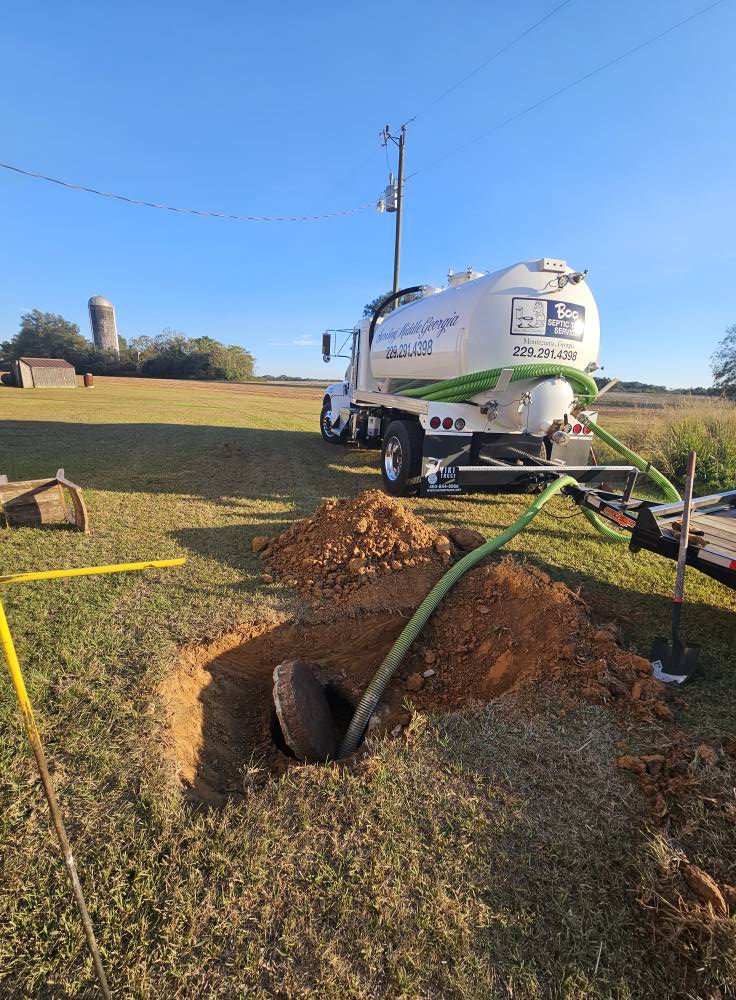
Inside the septic tank, bacteria break down the organic material. This anaerobic digestion is crucial and highlights the importance of not using harsh chemicals that can kill these beneficial bacteria. Proper maintenance, like regular pumping by Boo Septic Tank Service, ensures that the scum and sludge do not overflow into the drainage field.
Next is the distribution box, or d-box. This critical element of the septic system routes the liquid effluent from the septic tank to the drainfield. It evenly distributes the flow of water, which prevents overloading any part of the drainfield. Proper functioning of this component can avert costly repairs, maintaining your system’s efficiency.
The drainfield, or leach field, plays a pivotal role in the septic tank system. It's a network of underground pipes laid out in a trench, specifically designed to disperse the effluent over a large area. As the effluent filters through the soil surrounding the pipes, natural processes further treat and purify the water before it blends with the groundwater. It's essential to avoid planting trees or building structures over this field to prevent root damage or soil compaction.
Regular inspections by Boo Septic Tank Service can help detect issues early, especially in the distribution box or drainfield, where potential leaks could result in significant system failure. Additionally, understanding the symptoms of a failing septic system, such as slow drains or wet spots in the yard, can save homeowners from extensive damage.
In summary, knowing the ins and outs of your septic system’s components empowers you to take preventive measures, ultimately extending the lifespan of your septic system and preserving the environment. Regular maintenance and early detection of potential problems are key. Trust Boo Septic Tank Service to provide expert advice and top-quality service, keeping your septic system in prime condition.
Remember, a well-maintained septic system contributes to a healthy home environment. Proactively addressing potential issues and understanding the intricacies of your septic system can save you stress and costs down the line. Whether you need routine maintenance or professional advice, Boo Septic Tank Service is your go-to partner for all your septic needs.
Embrace this knowledge, and take the necessary steps to ensure your septic system operates smoothly for years to come.
/filters:no_upscale()/filters:format(webp)/media/2b0f000c-e67a-4db6-86d3-9ecc072d3553.png)
/filters:no_upscale()/filters:format(webp)/media/2a8bcfae-e4a2-4312-8aa0-8bd52ced9a79.jpeg)