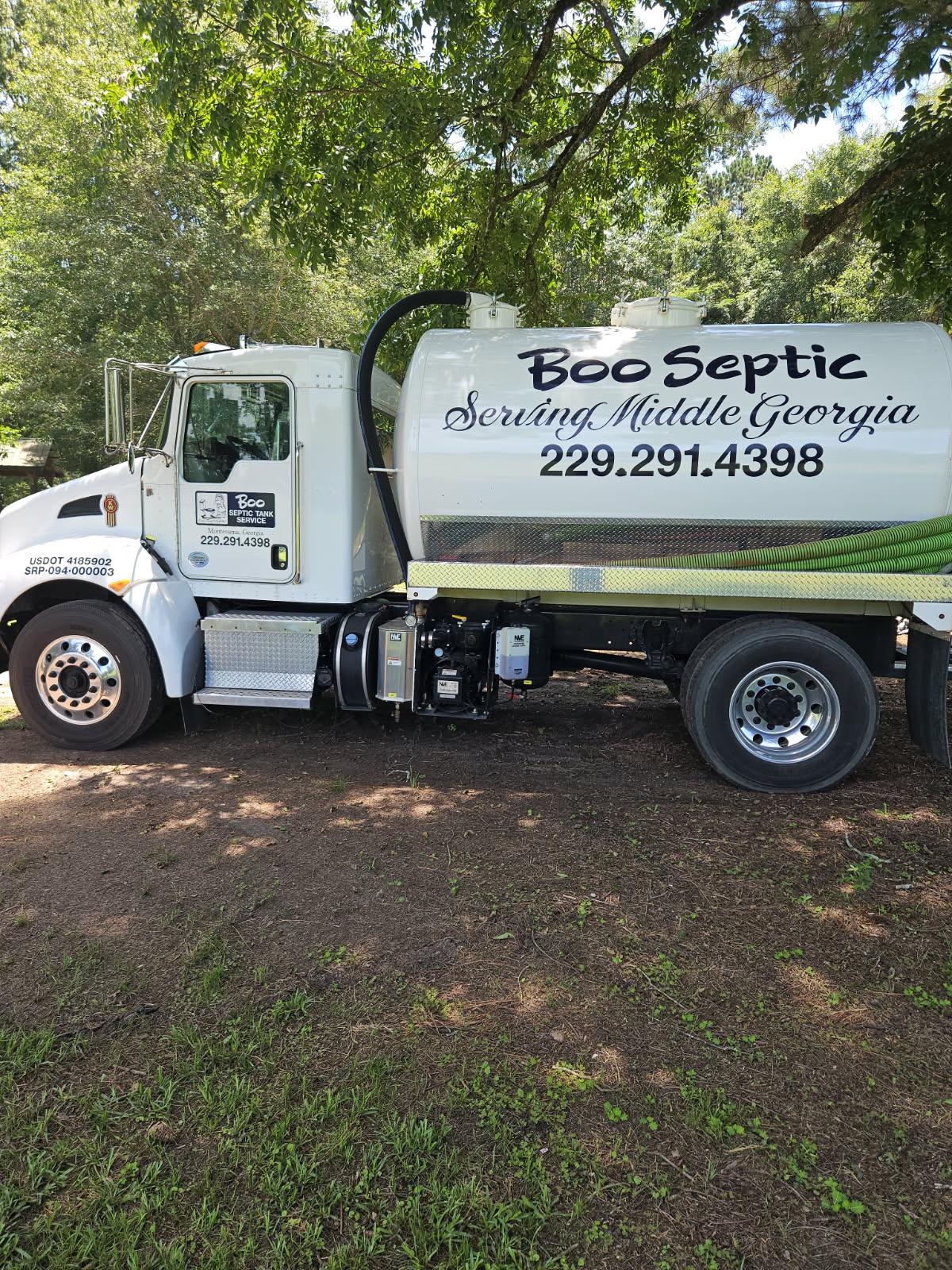
Top Tips for Septic Tank Maintenance: Keep Your System Running Smoothly Mar 25, 2026
Understanding Your Septic System's Capacity
One of the first steps in maintaining your septic tank is understanding its capacity and how much it can handle. Overloading your system can lead to inefficiencies and potential damage. Know the size of your tank and the number of people using the system to ensure its capacity is not exceeded. Limit water usage during peak times and spread out high water use activities, such as laundry and showering, throughout the day.
Regular Septic Tank Inspections
To ensure your septic system functions properly, schedule regular inspections at least once every three years by a professional service like Boo Septic Tank Service. Regular inspections help identify potential issues before they become significant problems. During these inspections, experts will check for leaks, assess the scum and sludge layers, and ensure that all parts of the system are functioning as they should.
Pump Your Septic Tank
Depending on the size of your septic tank and the number of occupants in the home, tanks typically need pumping every three to five years. Pumping your septic tank removes the buildup of solids and prevents overflow. Solids that are not removed can clog the drainage field, causing back-ups and unpleasant odors. Boo Septic Tank Service offers efficient and thorough tank pumping services to assure your system remains in top working order.
Mind What Goes Down the Drain
Your septic tank is not a garbage disposal. Avoid flushing non-biodegradable items, oils, and harsh chemicals down your drains. Items such as wipes, feminine hygiene products, and cooking fats can cause blockages and significantly harm your septic tank's bacterial ecosystem. Use environmentally friendly cleaning products and dispose of waste properly to maintain the health of your septic system.
Protect the Drain Field
The drain field is a crucial component of your septic system, and protecting it is vital for optimal performance. Avoid parking vehicles or placing heavy objects over the drain field to prevent soil compaction. Plant trees and shrubs at a safe distance to avoid roots potentially damaging the field. If possible, direct surface water away from the drain field to prevent flooding or oversaturation.
Implement Water-Saving Techniques
Conserving water not only benefits the environment but also reduces the load on your septic system. Install low-flow toilets and showerheads, check for and fix leaks promptly, and use high-efficiency appliances. These practices help minimize water use and can extend the life of your septic system.
Conclusion
Maintaining your septic tank is an investment in the long-term health of both your home and the environment. By implementing these maintenance tips, you can prevent potential issues and ensure that your septic system operates efficiently for years to come. Whether you need a routine inspection or a specific service, Boo Septic Tank Service is here to help. Our expert team provides comprehensive septic services, ensuring that your system remains in top condition. Take proactive steps today to protect your home’s essential services.
/filters:no_upscale()/filters:format(webp)/media/c6e2ad86-32a2-4033-836c-9d0fa115abec.jpeg)
/filters:no_upscale()/filters:format(webp)/media/2a8bcfae-e4a2-4312-8aa0-8bd52ced9a79.jpeg)