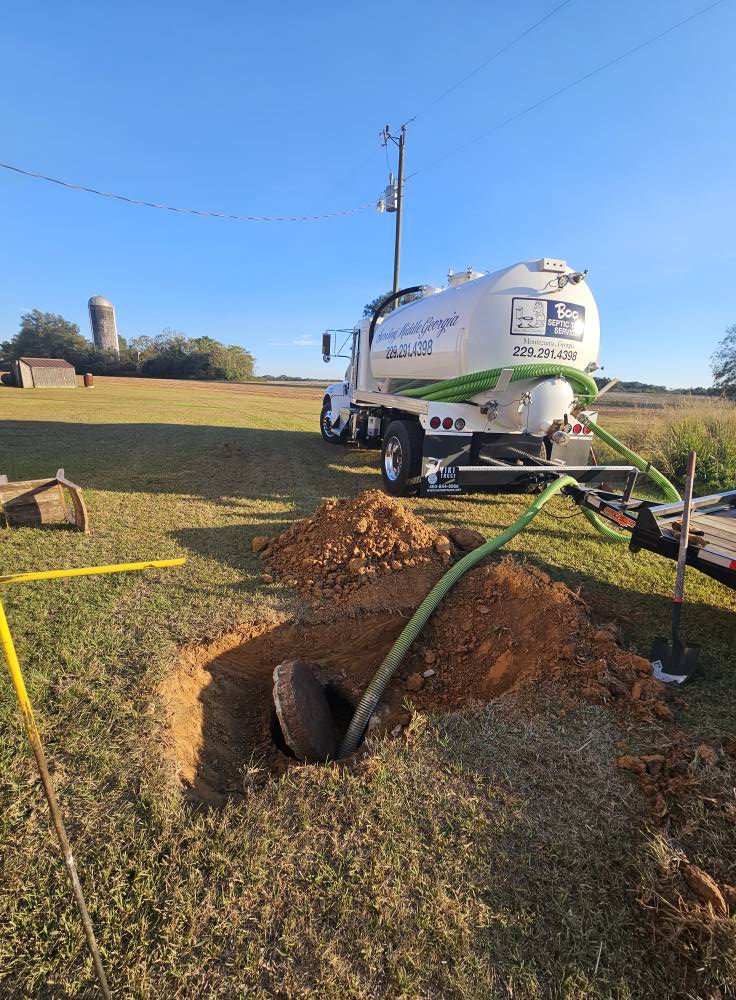
Understanding the Septic System Lifecycle: Insights from Boo Septic Tank Service Apr 17, 2026
The septic system serves as a private wastewater treatment facility. It’s a simple setup consisting mainly of a septic tank and a drain field, also known as a leach field. While this system is low-maintenance, it’s far from maintenance-free. Understanding its lifecycle can prevent costly repairs and environmental hazards.
First, let’s explore how the septic system functions. Wastewater from your home travels to the septic tank, where solids settle at the bottom and form sludge, while oils and grease float to the top, creating scum. Beneficial bacteria partially decompose these substances, but regular pumping is necessary to prevent build-up. The liquid effluent then flows into the drain field, where it undergoes natural filtration processes as it percolates through the soil.
Routine maintenance is crucial to ensure your septic system remains efficient. Typically, you should inspect your septic tank systems annually and pump it every three to five years. However, factors such as the household size, amount of wastewater generated, and the volume of solids in the wastewater can affect this schedule. At Boo Septic Tank Service, we offer comprehensive inspections and pumping services tailored to your septic system's specific needs.
Several warning signs can indicate issues within your septic system. Slow drains, unpleasant odors near the tank or drain field, and lush patches of grass suggest a malfunction. If you notice any of these symptoms, it’s essential to contact a professional immediately. Our experienced team at Boo Septic Tank Service is equipped to handle any septic issue, from minor repairs to full replacements, minimizing disruption and cost.
In addition to regular maintenance and pump-outs, there are everyday practices that can prolong your septic system’s life. Avoid flushing anything other than toilet paper into the system. Dispose of household chemicals and paint properly, as introducing these into your septic tank can kill the beneficial bacteria vital for breaking down waste. Conserving water will also lighten the load on your septic system, reducing the risk of overloading.
Moreover, the location of your septic tank and drain field plays a vital role in its maintenance. Avoid planting trees or shrubs with deep roots near your system, as these can infiltrate and damage pipes. Also, refrain from parking vehicles over the septic components to prevent compression and potential damage.
To conclude, understanding the septic system lifecycle and adopting best practices can save you time and money, all while maintaining environmental safety. Regular inspections, mindful disposal habits, and timely repairs are integral to the smooth function of these systems. At Boo Septic Tank Service, we’re committed to helping you every step of the way, offering expert advice and services tailored to your septic needs.
We encourage you to reach out to Boo Septic Tank Service for a personalized assessment of your septic system. Our team is always ready to answer your questions and ensure your system serves your household safely and efficiently for many years to come. By taking proactive measures now, you can prevent unforeseen complications and enjoy peace of mind with a well-maintained septic system.
/filters:no_upscale()/filters:format(webp)/media/2b0f000c-e67a-4db6-86d3-9ecc072d3553.png)
/filters:no_upscale()/filters:format(webp)/media/2a8bcfae-e4a2-4312-8aa0-8bd52ced9a79.jpeg)